As Europe accelerates investment in infrastructure, urban redevelopment, and sustainable construction, the heavy construction sector stands at the crossroads of profound transformation. By 2026, the landscape of equipment, labour dynamics, and technological innovation will shape not just the productivity of projects but the very way they are executed. From electrified machinery to AI‑powered operations and workforce evolution, these trends define the industry’s next chapter.
Modernising Heavy Equipment: Efficiency Meets Sustainability
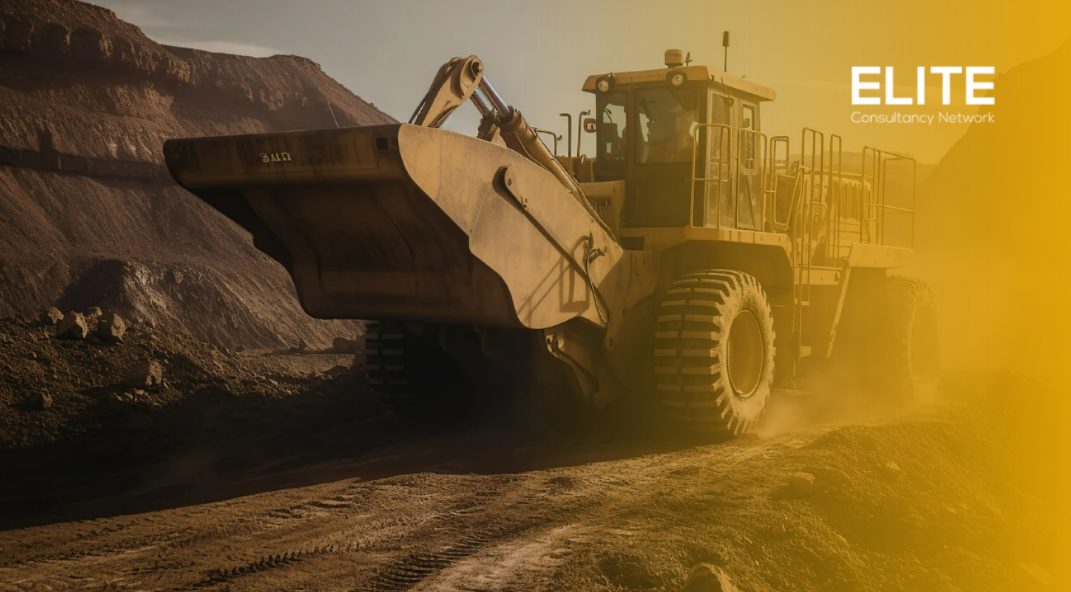
Heavy construction equipment in Europe is undergoing a major shift as contractors and manufacturers focus on performance, sustainability, and digital integration. According to recent market analyses, the European heavy‑duty construction equipment market, valued at roughly $43.7 billion in 2024, is projected to grow significantly, reaching $70.5 billion by 2035 as infrastructure needs expand and environmental priorities strengthen.
This growth is not merely in size but in capability. Electrification and hybrid powertrains are emerging as key trends, driven by stringent emissions standards and the drive for greener project delivery. Battery‑powered excavators, loaders, and speciality machines are entering mainstream use, offering lower operating costs and reduced environmental impact compared with traditional diesel equipment.
Manufacturers are also integrating advanced digital systems, from telematics that monitor machine health and usage to remote fleet management tools that optimise utilisation and reliability. These technologies reduce unplanned downtime, increase equipment lifespan, and deliver real-time data for better decision-making on the job site.
The push toward multifunctional machines and modular components further reflects contractors’ demand for versatile tools capable of handling diverse tasks without requiring entirely new fleets. This flexibility supports smaller teams and budget‑conscious projects while enhancing site responsiveness.
Workforce Dynamics: Changing Skills and Persistent Challenges
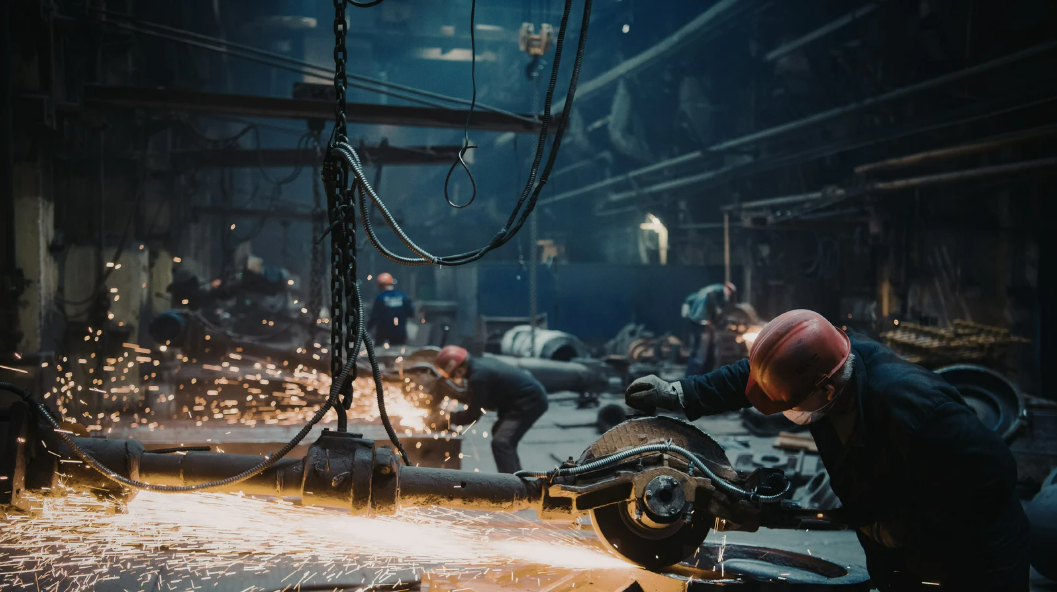
While machinery evolves rapidly, Europe’s construction workforce faces persistent structural challenges. Across the EU, construction remains among the sectors with the most severe labour shortages, influenced by an ageing workforce, low youth engagement, and the demanding nature of the work. This shortage has been linked to delays, increased costs, and higher pressure on existing workers.
Construction employs over 27 million people in the EU, yet between 25 % and 30 % of firms report labour gaps that limit output. This trend underscores the need for competitive wages, better training opportunities, and policies to attract new talent, especially younger workers and women.
New technological tools are reshaping operator roles. With digitalised heavy equipment, modern operators are expected to balance traditional machine handling with the ability to interpret data from telematics, participate in remote diagnostics, and collaborate with automation systems. For many companies, this shift raises the bar for skills and necessitates expanded training programs.
Indeed, the growing integration of digital systems, including predictive maintenance and smart jobsite analytics, reduces some manual tasks, yet it also highlights the widening skills gap between tech‑savvy operators and those trained only in conventional methods. Industry leaders stress the importance of re‑skilling and up‑skilling the workforce to harness these innovations fully.
Innovation on the Jobsite: AI, Automation, and Digital Transformation
On the innovation front, technology is no longer an adjacent enhancement, it is central to the future of heavy construction in Europe. Autonomous and semi‑autonomous machines are already testing boundaries on job sites, automating repetitive tasks such as grading and excavation, and allowing operators to oversee multiple machines more efficiently. These developments can boost productivity while reducing safety risks linked to human error.
Artificial intelligence (AI) is also entering core workflows. Major equipment manufacturers have unveiled AI‑driven interfaces and controls designed to enhance operator performance and site coordination, echoing broader trends that blend machine learning with equipment operation. While some innovations remain conceptual, they signal a clear trajectory toward smarter, safer jobsite ecosystems.
Telematics and Internet of Things (IoT) tools are becoming ubiquitous, enabling predictive maintenance and real‑time oversight of machine performance. This helps reduce breakdowns, schedule servicing more efficiently, and extend equipment life, all critical advantages in a sector where downtime directly affects project timelines and profitability.
In certain digital domains, progress varies. For example, reports indicate that only a small percentage of European construction companies currently use robotics or advanced automation tools on site, although adoption is growing as technology matures and cost barriers drop.
Balancing Productivity with Policy and Market Forces
Europe’s construction sector does not evolve in isolation. Policy initiatives at the EU level, aimed at supporting the construction ecosystem, enhancing skills development, and aligning regulatory frameworks, are central to the industry’s long‑term resilience. Programs focusing on vocational training and skills forecasting reinforce the need to invest in the workforce alongside technology adoption.
At the same time, productivity challenges remain acute. Recent studies show that European construction teams lose significant productive hours due to equipment inefficiencies, a reminder that equipment capability and labour performance must improve in tandem to unlock full potential.
The Road Ahead to 2026
By 2026, the heavy construction industry in Europe will reflect a dynamic blend of innovation and adaptation. Electrified and digitally enabled equipment promises higher efficiency and sustainability, while automation, AI, and data-driven insights are reshaping how projects are planned and executed. At the same time, workforce trends highlight the need for strategic investment in training and skills development to ensure operators and technical specialists can effectively work alongside increasingly sophisticated machinery.
For businesses across the sector, navigating these changes will require not only technological investment but also access to the right talent. As the industry evolves, the demand for skilled professionals capable of operating advanced equipment, managing digital systems, and driving operational efficiency will continue to grow.
Specialist recruitment partners such as Elite Consultancy Network play a critical role in helping organisations secure the expertise needed to stay competitive in this rapidly transforming environment. With deep industry knowledge and a focus on technical and engineering recruitment, the firm works closely with construction and equipment organisations across Europe to connect them with the skilled professionals shaping the sector's future.
Get in touch with our Managing Director, Simon O’Connor, for a confidential discussion at simon@elitecn.co.u or call 0121 450 5000.