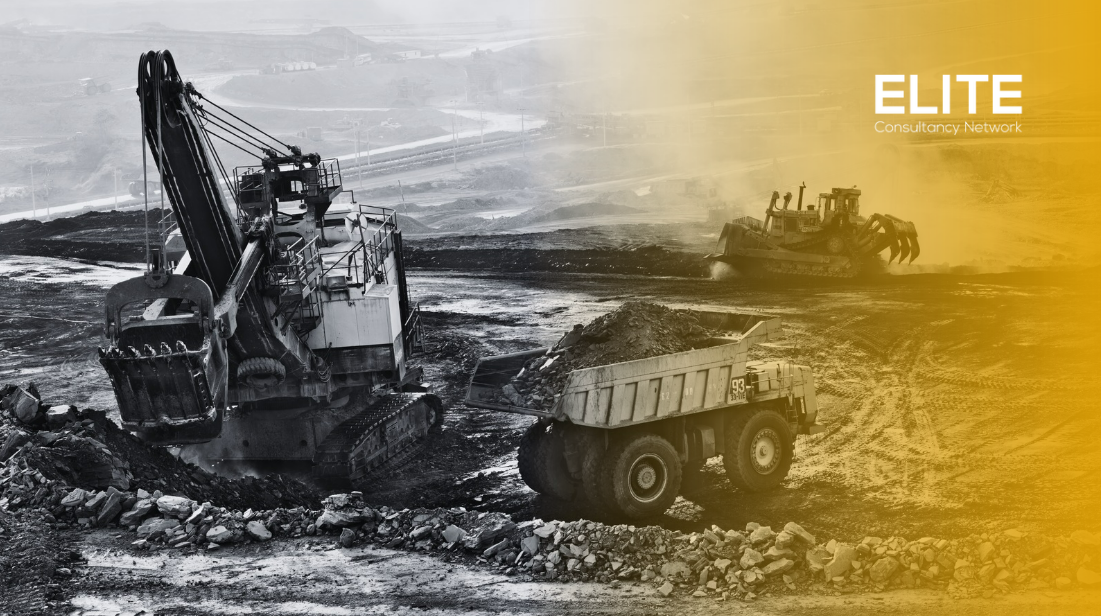
In an industry historically defined by sheer power, productivity, and durability, sustainability has emerged as a critical factor reshaping the heavy plant and construction equipment sector. For professionals in operations, sales, and engineering, understanding and leveraging sustainability isn’t just about compliance, it’s rapidly becoming a source of competitive differentiation, customer value, and long-term profitability.
The UK regulatory environment: Net Zero driving change
The UK’s Construction Playbook, The Environment Act 2021, and evolving Local Authority Air Quality Standards are placing heavy demands on contractors, developers, and plant operators. London’s Non-Road Mobile Machinery (NRMM) Low Emission Zone has set a precedent, with other cities considering similar schemes.
- Operations teams must now ensure plant fleets meet stringent NRMM standards, particularly for urban projects.
- Sales professionals have an opportunity to align products with customer needs for compliance, often backed by tender scoring that rewards sustainable equipment.
- Engineering teams are designing machines to meet Stage V emission standards while balancing performance, fuel economy, and durability.
Electrification gaining ground in the UK market
Electric and hybrid machines are increasingly viable on UK sites, particularly as more projects are adopting diesel-free site policies. Some major contractors have set targets for zero emissions on-site plant, driving the need for electrified solutions.
- Operations managers are evaluating electric mini excavators, telehandlers, and dumpers that reduce noise, emissions, and maintenance demands, especially valuable for urban and sensitive environments.
- Sales teams can leverage the growing appetite for lower carbon alternatives, emphasising total cost of ownership benefits, compliance advantages, and client ESG requirements.
- Engineering teams must address UK-specific challenges, including operating in wet conditions, transport logistics for batteries, and access to charging infrastructure on remote or temporary sites.
Telematics and fleet optimisation
UK contractors increasingly expect data transparency to monitor and report on emissions, fuel usage, and site productivity.
- Operations leaders use telematics platforms to track idling, optimise shift patterns, and plan maintenance schedules that reduce both emissions and costs.
- Sales professionals should position telematics packages as not just fleet management tools but integral components of sustainability strategies, with real-world data that supports tender submissions.
- Engineering teams are refining sensor technology and software algorithms to deliver ever more precise data for operators and fleet managers.
Clients are demanding more
Across the UK, clients, particularly local authorities, infrastructure programmes and large developers, are embedding sustainability criteria into tendering. Those who cannot provide emissions data, sustainable sourcing evidence, or electric alternatives are increasingly being sidelined.
- For sales teams, sustainability is no longer a soft benefit - it’s often a make-or-break contract requirement.
- Operations teams must prepare to report environmental metrics at short notice.
- Engineering departments are expected to design with both performance and carbon reduction in mind from the outset.
What’s Next?
The UK’s journey to Net Zero is reshaping the heavy plant and construction equipment sector. This is no longer just a technical challenge, it’s a strategic one.
- Operations must lead the charge in deploying cleaner, more efficient fleets.
- Sales must speak the language of sustainability to win and retain clients.
- Engineering must design for performance, compliance, and circularity.
In a landscape where sustainability is increasingly non-negotiable, those who take action today will lead tomorrow’s market.